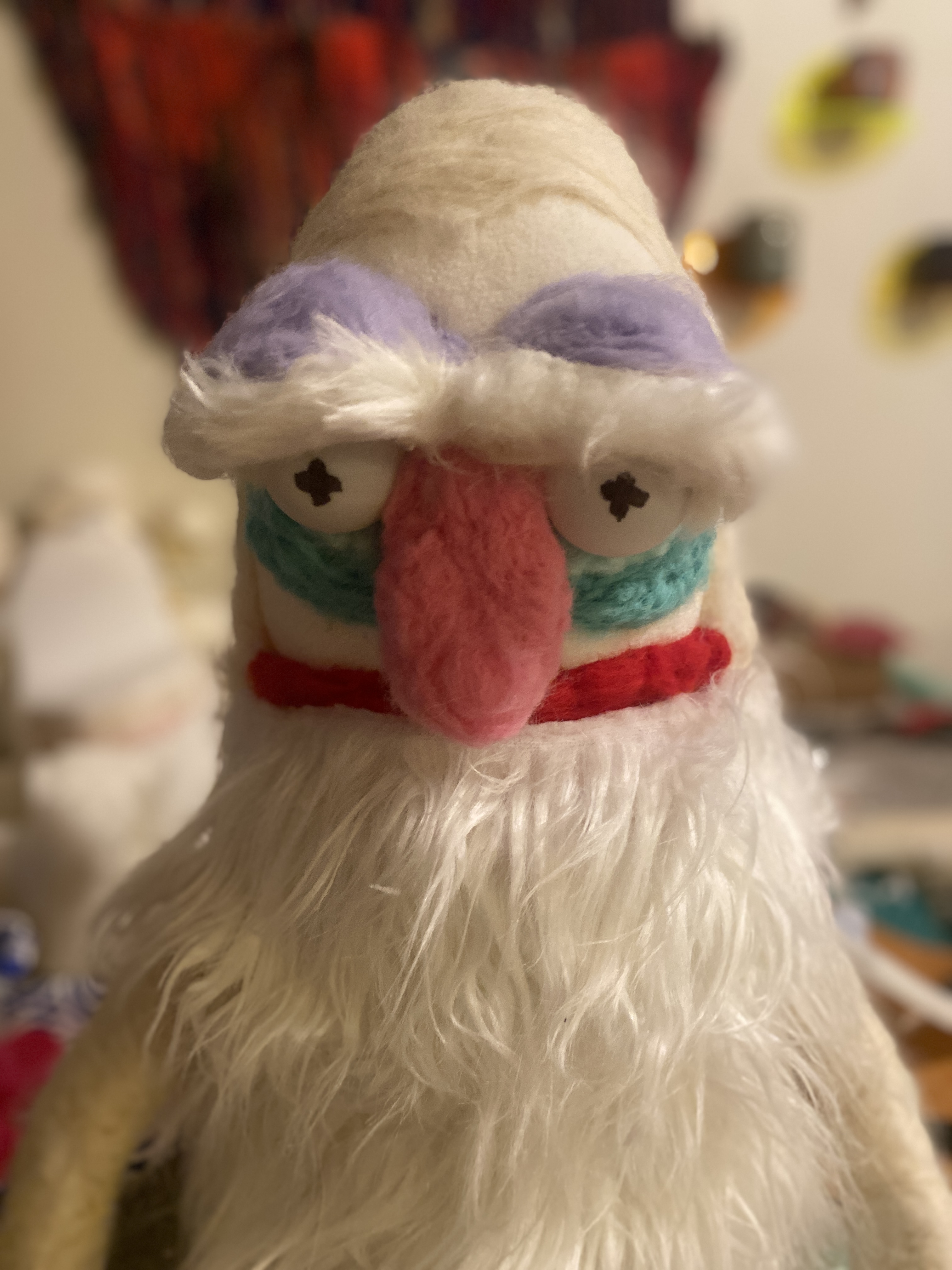
Andrew Patrick Cain is a multidisciplinary artist and community advocate whose work spans across a wide range of mediums, including printmaking, sculpture, video, installation, and performance art. Originally from Modesto, California, Cain’s artistic journey has led him to explore various cultural and social themes while fostering a deep commitment to community engagement and arts advocacy. His works often seek to build bridges between people, ideas, and experiences, creating collaborative spaces where diverse voices can come together and resonate
Cain earned his Bachelor of Fine Arts degree in Printmaking from the Queensland College of Art in Brisbane, Australia, in 2009. His time in Australia profoundly influenced his approach to art, introducing him to new methods and techniques that would later shape his work. In 2022, Cain received his Master of Fine Arts degree from the School and The Museum of Fine Arts at Tufts University in Boston, where his research focused on the intersection of art, community, and activism. His graduate work explored the role of art in public spaces and its potential to inspire social change.
Throughout his career, Cain has been passionate about the role of art in community building. Before relocating to Brooklyn, New York, he played an integral role in Modesto’s cultural development, working to increase access to the arts and elevate local creative voices. Cain led various initiatives that transformed the city’s cultural landscape. One of his key achievements was spearheading the establishment of a formal design district in downtown Modesto, which brought together local artists, designers, and businesses to create a vibrant, collaborative creative space. Cain’s leadership helped elevate the role of the arts within the broader social and economic fabric of the city, fostering a culture of inclusivity, innovation, and artistic excellence.
During his tenure in Modesto, Cain worked tirelessly to engage diverse communities with the arts. He organized numerous exhibitions, live performances, and public art projects, collaborating with local universities, museums, and nonprofit organizations. His work often focused on themes of identity, place, and social justice, with an emphasis on empowering marginalized communities through creative expression. Cain’s commitment to community outreach and education has earned him recognition as a leader in arts advocacy, and he continues to champion the importance of arts accessibility in his current role as an artist and educator.
Cain’s commitment to collaboration and community-building remains central to his practice, and he regularly works with other artists, educators, and organizations to create projects that foster dialogue and promote positive social change.
Cain currently serves as a technical epecialist for sculpture and adjunct professor at Alfred University, where he teaches in the university’s School of Art and Design. His role as an educator allows him to inspire and mentor the next generation of artists, helping them navigate the complexities of the contemporary art world while encouraging them to use their creative voices for social good. Cain’s approach to teaching emphasizes critical thinking, technical mastery, and a strong sense of social responsibility, empowering his students to develop their own artistic practices while remaining conscious of their impact on the world around them.
In addition to his academic work, Cain remains actively involved in the broader art community. He continues to participate in exhibitions and public art projects, often collaborating with organizations that promote arts access, diversity, and equity. Cain’s work is known for its emotional depth and intellectual rigor, exploring themes of identity, memory, and the shared human experience. His ability to blend personal reflection with universal truths has made his work both impactful and accessible to a wide range of audiences.
Whether through his solo exhibitions, public art installations, or community-oriented projects, Cain consistently seeks to create meaningful experiences that transcend the traditional boundaries of art. His artistic practice is driven by a desire to foster connections between people, cultures, and ideas, allowing him to leave things better than he found them.
 Caincong